
Resilience Project Series: Malabugilmah Community Strategic Planning in Clarence Valley
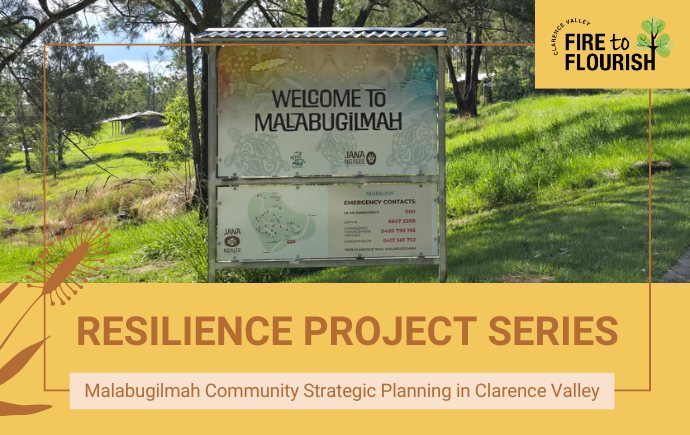
Project: Malabugilmah Community Strategic Planning
Recipient: Jana Ngalee Local Aboriginal Land Council
Community: Malabugilmah, Western Bundjalung Country, NSW
As part of F2F Clarence Valley’s Resilience Planning to Granting round last year, funding is now supporting the development of a future Strategic Plan for Malabugilmah – a remote community on Western Bundjalung Country in NSW.
This project, led by Jana Ngalee Local Aboriginal Land Council (JNLALC), is developing a sustainable, community-led strategy for the future of this small community by directly addressing an urgent local need for improved disaster preparedness, infrastructure resilience and community empowerment.
Through project management, community engagement, expert and local consultations, community workshops and events, partnership development and evaluation, JNLALC will deliver Malabugilmah’s new strategic plan, also known as the Community Land and Business Plan (CLBP).
The initial stage – development of the CLBP – was completed in March 2025. The next stage is focusing on a comprehensive master planning exercise to address critical infrastructure needs, with disaster management and resilient planning embedded throughout to ensure long-term community sustainability.
Fire to Flourish spoke with Ramona Walker, Chairperson of the JNLALC, about the difference that this Strategic Plan will make to the future of her community.
Beth Patch: Can you tell me a bit about this project, its goals, and why it’s beneficial for Malabugilmah’s disaster resilience?
Ramona Walker: The JNLALC Community Strategic Planning project focuses on strengthening the Malabugilmah community by developing a Community Land and Business Plan.
This initiative empowers the community by creating a framework for sustainable development, with disaster management and resilience planning at its core. It is also important to highlight that the development of the Community Land and Business Plan is a statutory requirement under the Aboriginal Land Rights Act 1983.
Fire to Flourish has been instrumental in assisting us with compliance under the Act, ensuring that we meet the necessary obligations to serve our community effectively.
The successful completion of the Community Land and Business Plan indicates that the project is achieving its initial goals.
Achieving compliance also plays a crucial role in securing future funding, providing the resources needed to continue supporting community-driven projects and long-term resilience planning.
The upcoming master planning exercise represents a continuation of efforts to build resilience and sustainability. By addressing critical infrastructure needs and enhancing disaster preparedness, the project ensures the community is better positioned to face challenges now and into the future.
BP: How much of a role does community empowerment and engagement play in a project like this?
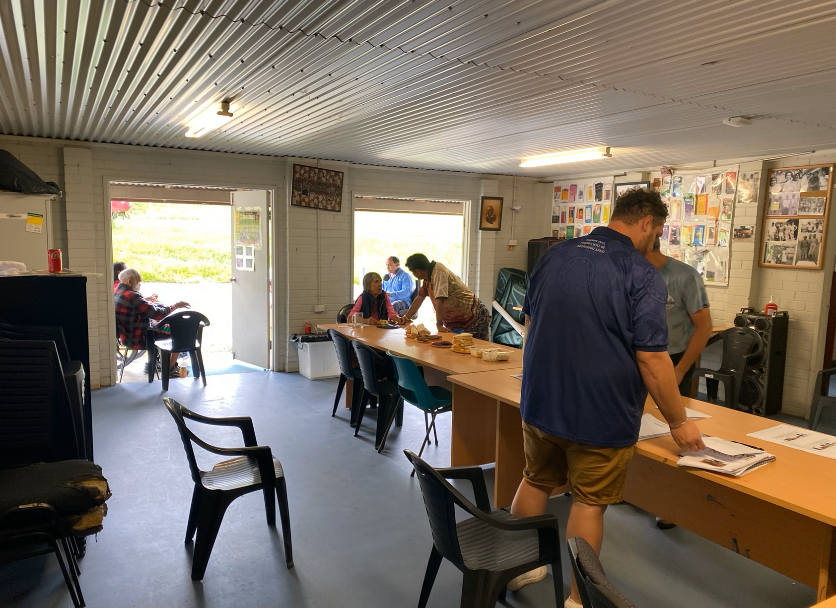
RW: By involving community members in the strategic planning process, residents will feel more connected and invested. This sense of ownership will foster a collective responsibility that is crucial, not just for this project but also during times of crisis.
The project will enhance relationships among community members, promoting teamwork and solidarity, which are vital during emergencies. Stronger community ties enable quicker and more effective responses in the face of disasters.
We are also ensuring that Aboriginal wisdom and cultural practices, including sustainable land management practices, are integrated into plans, supporting cultural identity and pride.
BP: Why did you choose the Fire to Flourish grantmaking process to fund the project, and what was that experience like for you?
RW: The Fire to Flourish granting process was chosen because it aligns closely with the project's vision of community resilience and empowerment.
Fire to Flourish supports initiatives that drive grassroots change and foster collaboration, which made it an ideal funding partner.
The experience was highly rewarding, as it provided the necessary resources to develop the Community Land and Business Plan and facilitated a strong partnership with community members in shaping a shared vision for the future.
BP: From your perspective, what has been the main highlight or positive outcome of the project so far—either expected or unexpected?
RW: The standout achievement has been the creation of the Community Land and Business Plan, which symbolises unity, shared vision, and resilience within the Malabugilmah community.
Another significant positive has been the strengthened engagement and collaboration with community members, showcasing a collective commitment to the project's success.
Interestingly, the collaborative process has unveiled unexpected strengths and perspectives within the community, paving the way for further growth and empowerment.
Receive updates on this project by following Clarence Valley on Facebook or subscribing to our monthly newsletter.